
Investing before neglect became permanent.
A closed, actively operated workforce-housing fund built around Community-Driven Investment—acquiring and improving workforce housing in communities that have experienced years of deferred maintenance and limited private investment.
A community-first strategy that became an operating platform.
Georgia Legend Fund I is closed to new investors and has not been liquidated. The information below describes an existing portfolio and its operating history. It is not an offer, solicitation, or invitation to express interest in any security.
Concentrated ownership. Measured execution.
Portfolio statistics should be read together with the definitions and limitations in the disclosure section below.
Peak Portfolio Size
Residential units held at the Fund’s peak portfolio size, including assets subsequently sold or otherwise removed.
Renovated Units
Homes receiving completed renovation work through the Fund’s construction and asset-management program.
Current Occupancy
Portfolio physical occupancy exceeding 95% as of July 2026. Occupancy fluctuates and is not a guarantee of future results.
TTM Capitalization Rate
Approximately 9.0% as of July 2026, calculated using trailing twelve-month net operating income under management’s methodology. This asset-level operating metric is not an investor return.
Invest where housing needs attention, then improve it responsibly.
The Fund used a repeatable market-selection framework focused on attainable housing in communities where aging housing stock, deferred maintenance, and limited private investment created a clear need for responsible, long-term reinvestment.
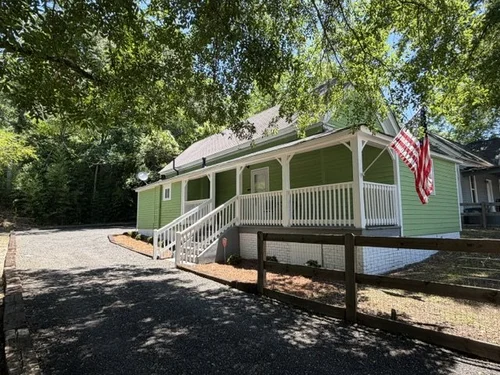
Griffin represented the Fund’s largest concentration. The remaining investments in LaGrange, Macon, and Barnesville were also located in communities experiencing renewed public and private investment. The strategy emphasized existing infrastructure, workforce-housing demand, long-term ownership, resident stability, and disciplined property-level execution.
The community attracted new investment. The portfolio remained committed.
The following openings and redevelopment activity occurred after the Fund’s strategy was established. Three Bulls does not claim to have caused these developments; they are presented as part of the broader pattern of renewed investment in the community.
Two Downtown Breweries
New gathering places contributed to a broader downtown revitalization story.
Restaurants and Bars
Multiple food-and-beverage concepts opened, expanding local activity and amenities.
Fine Dining
A higher-end restaurant concept added a new category of downtown hospitality.
Historic Hotel Revival
A revitalized historic hotel reinforced investment in the district’s identity and destination appeal.
Project names, opening dates, geographic boundaries, and supporting sources should be retained in the Company’s records and verified before publication.
We do not renovate in isolation. We invest with the community in mind.
Three Bulls employs a concentrated neighborhood investment strategy: acquiring within hyperclusters of single-family and small multifamily housing where coordinated ownership can support meaningful renovation, responsive property management, and visible improvements without treating homes as isolated assets.
Invest Before Decline Deepens
Invest in communities where years of deferred maintenance and limited capital have created a need for responsible housing reinvestment, focusing on attainable housing, existing infrastructure, and long-term community stability.
Create Operating Density
Build meaningful density across nearby homes and small multifamily properties rather than relying exclusively on scattered-site ownership. Concentration can improve construction coordination, maintenance responsiveness, resident service, and the consistency of housing quality across a neighborhood.
Reinvest With Purpose
Renovate at a scale capable of addressing decades of deferred maintenance, improving housing quality, strengthening streetscapes, and providing residents with a substantially better living experience while preserving the role of workforce housing in the community.
Operate for Durability
Pair neighborhood-level investment with vertically integrated construction, property management, and asset management designed to support responsive service, resident satisfaction, resident continuity, and durable property-level operations.
Better homes can support more stable communities.
Resident retention and renewal are operating indicators—not guarantees of future performance. They also provide important context regarding whether residents are choosing to remain after improvements are made, which is central to a community-first investment approach.
Disciplined acquisition, paired with substantial reinvestment.
Historically, approximately two-thirds of deployed capital has been allocated to property acquisition and approximately one-third to renovation and capital improvements. This capital mix reflects the strategy’s emphasis on improving the underlying housing stock—not merely acquiring it.
Depending on the structure of a future investment, applicable tax law, asset classification, holding period, and each investor’s individual circumstances, qualifying capital improvements may generate depreciation-related tax attributes, including bonus depreciation where available.
Communities deserve investment, not abandonment or displacement.
Three Bulls seeks to improve housing without treating current residents as obstacles to value creation. Our objective is to address deferred maintenance, provide responsive management, preserve workforce-housing options, support long-term residency, and leave each community stronger than we found it.
We believe durable investment performance and positive community outcomes can reinforce one another when capital is deployed patiently, responsibly, and with respect for the people who already call the neighborhood home.
Restore the home. Respect the resident. Strengthen the community.
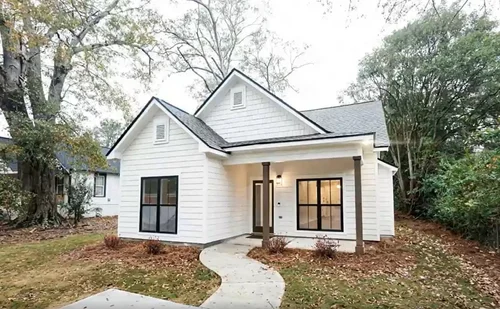
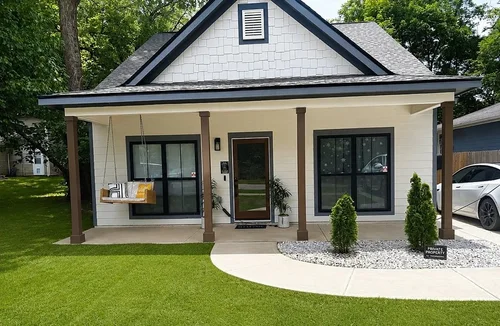
Two homes. 58 days.
The Fund completed two selected ground-up homes in 58 days and below the approved construction budget. These project-specific results illustrate one instance of the platform’s construction coordination and are not necessarily representative of other projects.
Based on management’s review of available market data, the homes sold at what management understands to have been the highest recorded residential sale prices in the defined neighborhood at the time of each closing. This statement depends on the geographic boundary, property type, data source, and measurement period used.
The thesis was tested beyond the underwriting model.
Fund I encountered severe operating disruptions, including a tornado, widespread freeze-related pipe damage, and the rapid rise in interest rates between 2021 and 2026. These conditions tested the portfolio beyond the original underwriting assumptions and strengthened systems for emergency response, construction coordination, insurance documentation, resident communication, liquidity management, and portfolio recovery.
Severe Weather
Emergency response and recovery following tornado-related impacts.
Mass Pipe Freezes
Coordinated repairs and resident support following widespread freeze events.
Interest-Rate Reset
The sharp increase in borrowing costs from 2021 through 2026 tested financing assumptions, liquidity planning, and capital-allocation discipline.
Operational Learning
Portfolio experience converted into stronger controls, more disciplined liquidity management, and repeatable procedures.
An active portfolio. Not an exited fund.
Georgia Legend Fund I remains in operation. The Fund is closed to new investment, and the statistics shown are point-in-time operating measures rather than realized Fund-level performance.
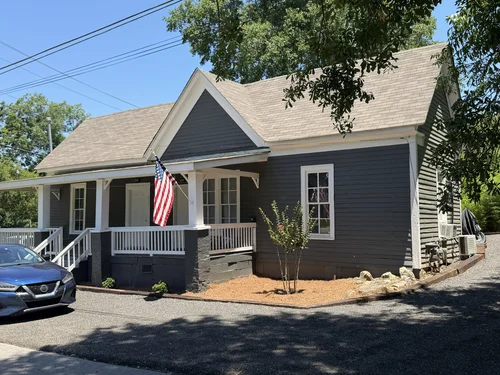
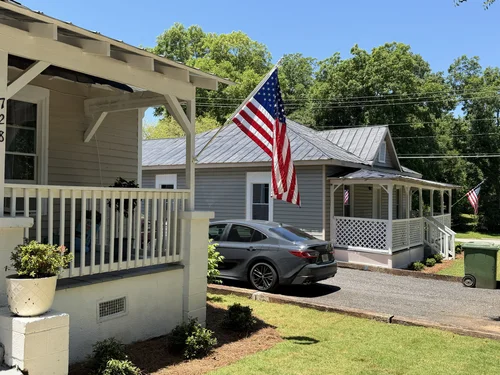
Fund information and reporting.
This access point is intended only for existing Georgia Legend Fund I investors and authorized representatives.